Unitree G1 EDU | U1-U14 | Plateformes de développement humanoïdes

Variantes: EDU-U2 | Plus
Plateformes de développement Unitree G1
Les plateformes de développement Unitree G1 Edu, ainsi que les variantes Professional et Ultimate, sont des systèmes robotiques humanoïdes conçus pour la recherche, le développement et la robotique applicative. Le développement secondaire de haut et de bas niveau, un SDK, des algorithmes d'IA et un dock d'extension 100 TOPS permettent de créer des applications personnalisées. Selon le modèle de base, 23 ou 29 degrés de liberté sont disponibles. Les variantes Professional et Ultimate complètent la plateforme par des solutions de préhension et de main préconfigurées, dont certaines disposent de capteurs tactiles et de caméras RGB montées au poignet. Cela permet notamment de développer et de tester des applications de préhension, de manipulation et d'IA.
Produits phares
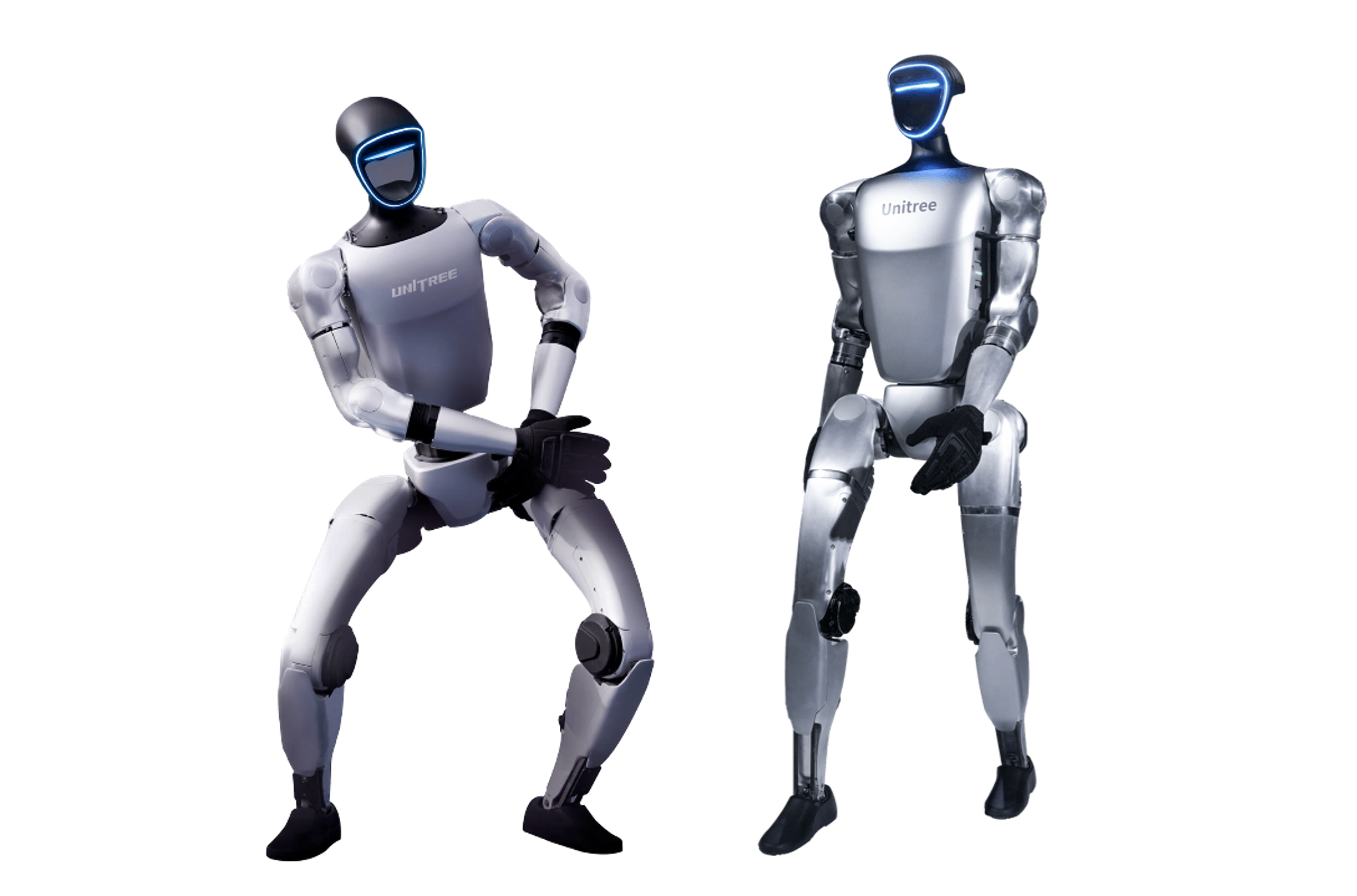
The differences between the development platforms
G1 EDU Standard | 23 DOF | basis of the Professional variants --> Dummy Hand | EDU-U1
G1 EDU Plus | 29 DOF | basis for Ultimate variants --> Dummy Hand | EDU-U2
G1 EDU- Professional (23 DOF Basis)
Professional A → Dex3-1 | 3 Finger | EDU-U9
Professional B → Dex3-1 | 3 Finger with tactile sensors | EDU-U10
Professional E → BrainCo Revo 2 Basic | 5 Finger | EDU-11
Professional F → BrainCo Revo 2 Touch | 5 Finger with tactile sensors | EDU-12
Professional G → Dex2/5 | 5 Finger | EDU-14
Professional H → Dex1-1 Gripper Plus
Professional I → Wuji Hand 2 | 5 Finger
G1 EDU- Ultimate (29 DOF Basis)
Ultimate A → Dex3-1 | 3 Finger | EDU-U3
Ultimate B → Dex3-1 | 3 Finger with tactile sensors | EDU-U4
Ultimate C → Inspire DFQ | 5 Finger | EDU-U5
Ultimate D → Inspire E2 | 5 Finger | with tactile sensors | EDU-U6
Ultimate E → BrainCo Revo 2 Basic | 5 Finger | EDU-U7
Ultimate F → BrainCo Revo 2 Touch | 5 Finger with tactile sensors | EDU-U8
Ultimate G → Dex2/5 | 5 Finger | EDU-13
Ultimate H → Dex1-1 Gripper Plus
Ultimate I → Wuji Hand 2 | 5 Finger
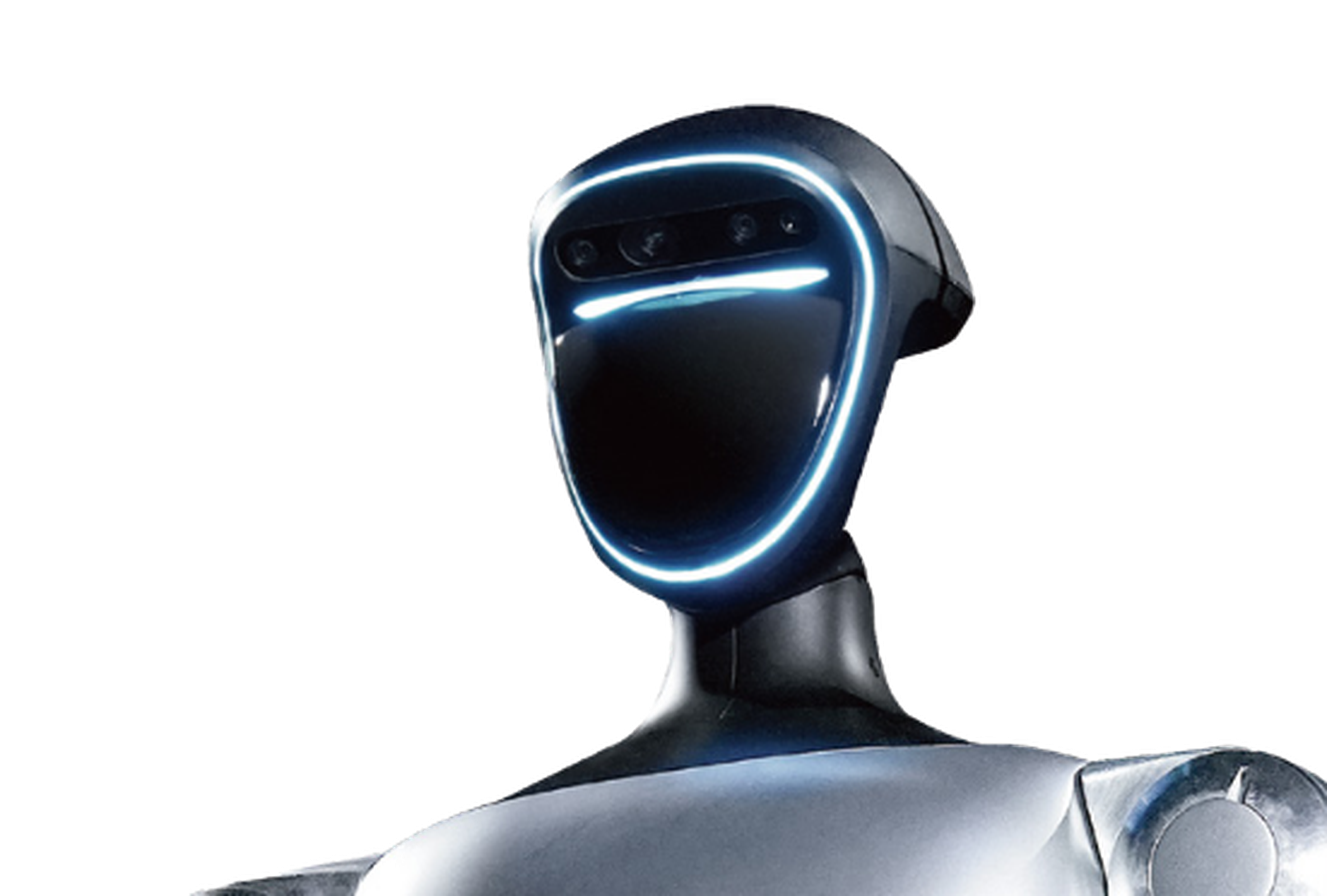
Features and Technical Highlights of the Unitree G1 EDU U2
The Unitree G1 EDU U2 is designed as a humanoid robotics platform for research, education, and hands-on robotics projects. The G1 EDU base combines an approximately 1,320 mm tall, around 35 kg design with a replaceable 13S smart battery and approximately two hours of runtime. A depth camera and 3D LiDAR provide environmental sensing. Dual encoders at the joints, internal cable routing, and local air cooling support precise and controlled motion. Depending on the specific U2 configuration, 23 or 29 degrees of freedom are available; the EDU Plus base adds additional degrees of freedom particularly in the waist and arms. Knee joints with up to 120 Nm of torque and an arm payload of up to 3 kg provide flexibility for dynamic motion sequences, grasping trials, and mobile manipulation tasks.
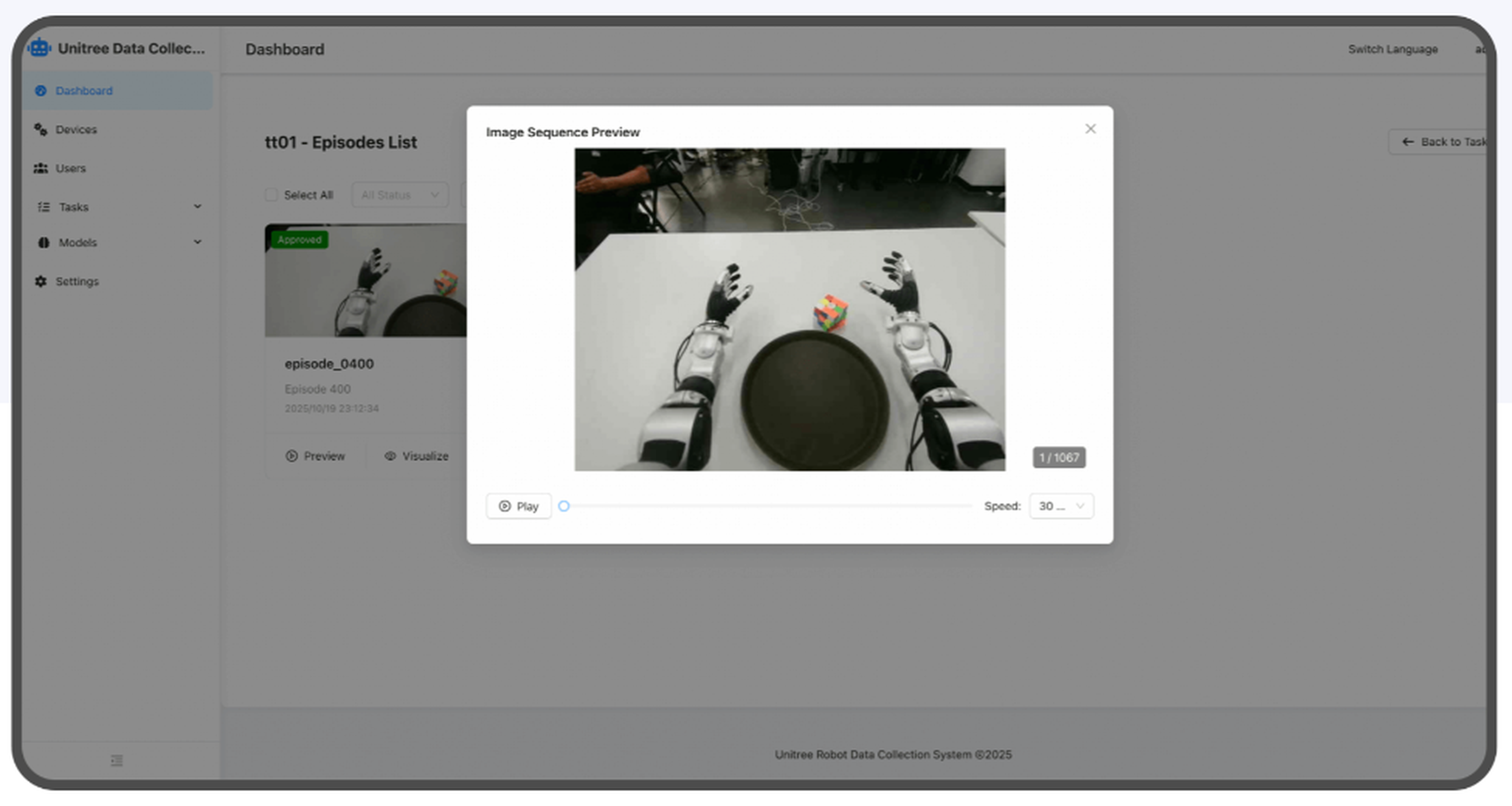
Control and Programming The G1 EDU
Control and Programming The G1 EDU platform provides both high-level and low-level control interfaces. This allows developers to work on higher-level motion sequences, autonomous functions, and joint-level control tasks. An integrated expansion dock with up to 100 TOPS of computing power provides the foundation for AI algorithms, machine vision, navigation, and positioning. Wi-Fi 6 and Bluetooth 5.2 simplify integration into laboratory environments, while Smart OTA supports system updates. Development documentation and ecosystem support make it easier to get started with custom software projects. Motion limits, payloads, control cycles, and safety functions must be adapted to the specific application, system setup, and end effectors, and tested before real-world operation.
Secondary Development and Applications
The open EDU version supports secondary development and is suitable for projects that go beyond predefined motions. Typical areas include humanoid locomotion, balance control, AI-based perception, navigation, human-robot interaction, and manipulation. Universities can use the robot for computer science, mechatronics, control engineering, and machine learning. Companies can conduct feasibility studies for inspection, teleoperation, service tasks, or handling lightweight objects. Hands and grippers available depending on the specific variant further expand the range of experimental applications. Since the G1 is classified as a research and educational platform or partly completed machinery, a risk assessment, safety concept, and application-specific integration are required.
Training, Accessories, and Integration provided by RBTX
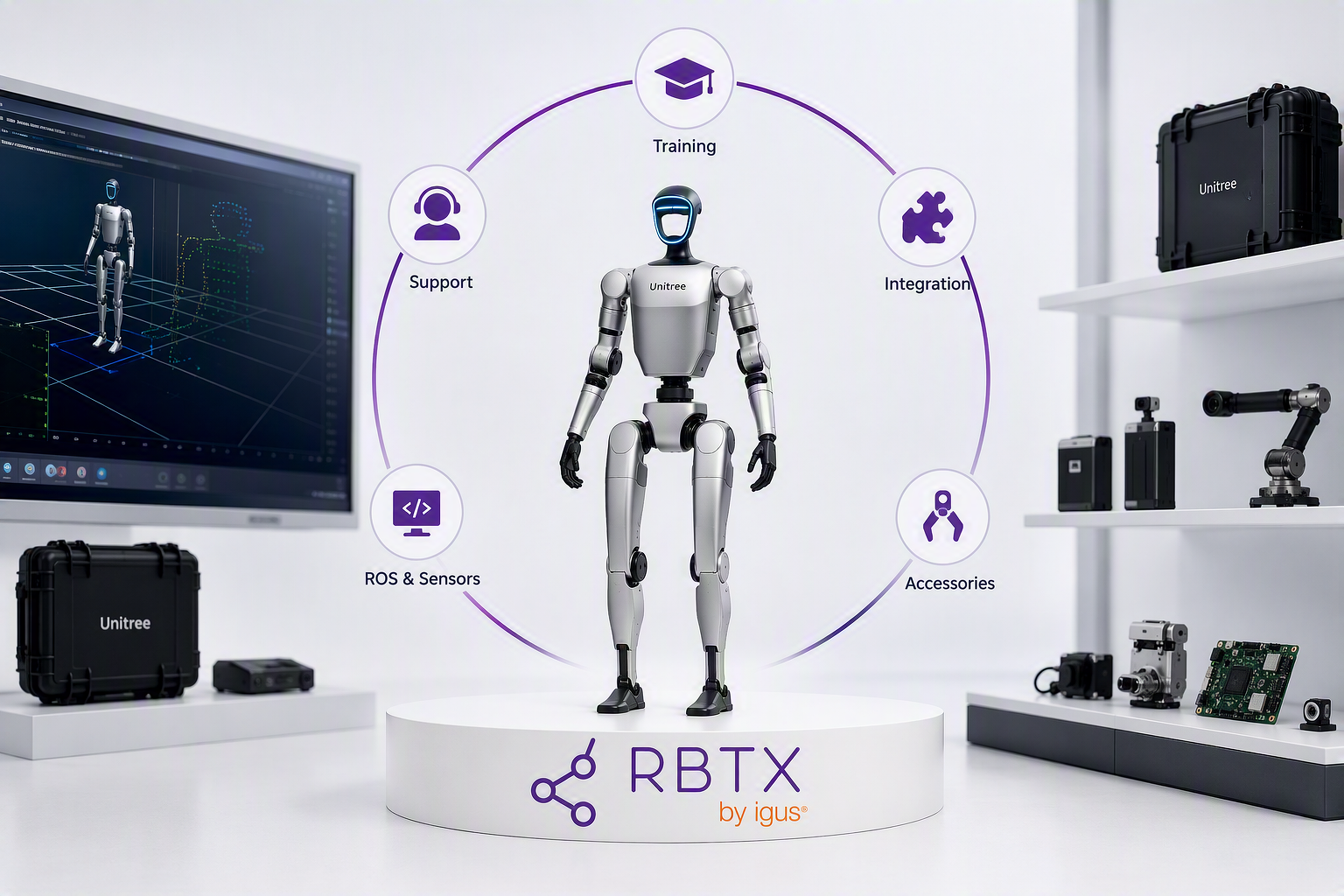
RBTX supports users in selecting the Unitree G1 EDU U2 and setting up a complete, functional robotics system. This includes training for operation, commissioning, and programming, as well as selecting accessories, end effectors, sensors, and safety components. For development projects, RBTX can support the coordination of the robot, software, network, computing hardware, and experimental setup. Integration focuses on interface validation, defining system functions, and involving suitable integration partners. This helps determine at an early stage which components are required for a demonstrator, research project, or proof of concept. Safety requirements, responsibilities, and acceptance criteria are considered from the outset based on the intended application.
Solutions low cost créées avec RBTX
Réservez un appel vidéo gratuit avec nos spécialistes